Deep Curriculum Analysis
At Little London Academy, Deep Curriculum Analysis (DCA) enables pupils to synthesise their knowledge and learning, making conceptual links and connections across curriculum areas, across time and across cultures. This adds relevance and depth to learning and provides opportunities for high quality research. Deep Curriculum Analysis generates critical thinking by creating thoughtful citizens who can: consider, represent, question, analyse and argue from different perspectives; utilise powerful skills such as inference and understand important concepts such as prejudice, reason and bias. The teaching of sophisticated vocabulary is prioritised throughout DCA units to develop a deep understanding of powerful vocabulary and its impact, giving pupils the opportunity to practise and deepen their understanding.
Our DCA Study
Volcanology

Operation Chastise
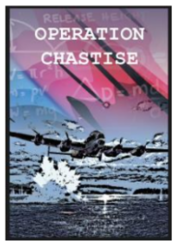
Operation Chastise builds on the chronological knowledge of the Battle of Britain and WW2, focusing on a specific action that arguably had significant impact on British morale and the future development of the war in favour the Allies.
In Operation Chastise, we look in depth at the scientific and engineering challenges required to build the lightest bomb possible that could do maximum damage to a heavily defended target. We look at the fundamental physics underpinning each aspect of the Upkeep Bomb design and consider the trade-off between flight-crew losses and the achievement of the strategic goal of destroying enemy infrastructure – in this case the Ruhr Valley dams of the Sorpe, the Möhne and the Eder.