Phonics
Our approach
At Little London, we want all our children to read from the start. This begins with high-quality and consistent phonics teaching in the Early Years, into KS1 and beyond. Jean Winterson (Author) once said “Teach a child to read and keep that child reading and we will change everything. And I mean everything.” Our intention is that all children learn to read quickly, accurately and confidently and continue to read more in order to access all areas of the curriculum.
As a school, we follow the Read Write Inc. (RWI) systematic phonics programme, which teaches children fundamental skills in phonics, reading, spelling and writing. Phonics remains a high priority within EYFS and KS1 and is taught daily. In Years 3 to Year 4, children who need additional support with reading will also continue to receive rapid interventions so that we can develop pupils into confident, fluent readers. Readers who need to continue this journey in Year 5 and 6 children follow a similar programme called Fresh Start.


In each phonics lesson, children will learn a new sound, review sounds already learnt, apply new spellings and read a book matched to their current reading ability. The children will re-read the book over the course of the week to develop accuracy, fluency and understanding of a familiar text.
Each half term, children have a detailed assessment to monitor their progress in reading. Pupils are then placed into a group where they’ll make the most progress. We provide extra one-to-one tutoring sessions to support pupils who need to keep up to the expectations outlined in the scheme.
Early Years
In Early Years, pupils begin by learning how to read their Set 1 sounds correctly. When children learn sounds we use the sound of the letter not the letter name. This video helps you to know how to say the sounds in the 'pure way' without adding extra sounds on the end that may confuse your child.
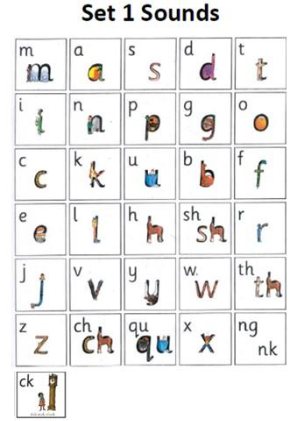
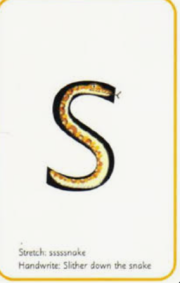
To develop children’s writing skills, they will be shown how to use the correct pencil grip to form letters correctly. Teachers will model the correct starting points of letters (without lead-ins) and children will handwrite daily using pencil and paper. We use the handwriting phrases to support children in forming the letters correctly.

Oral Blending
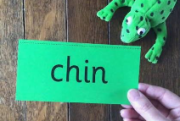
Pupils practice using ‘Fred Talk’ to orally blend sounds into familiar words. Fred the frog can only speak in sounds. The children have to "Fred Talk" (say the sounds) and then blend them together to say the word. A simple game you could play is 'Fred says' instead of Simon says! Remember to use the letter sounds not the letter names.
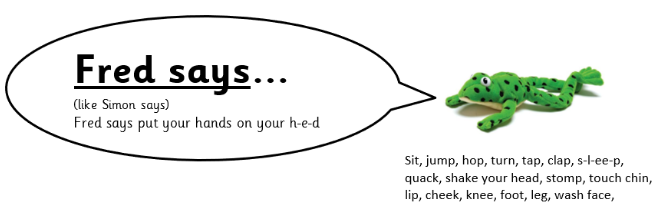
‘Fred Games’ are timetabled frequently to give children more opportunities to learn how to orally blend in a variety of contexts. For example, playing Fred I spy.
Once pupils are confidently blending orally, they begin to read words using the routines of ‘Special Friend, Fred Talk and Read the word’ and they will use their ‘Fred Fingers’ to help them spell words.
KS1
By the end of KS1, we aim for our pupils to have developed into confident, fluent readers who can comprehend what they have read. This involves pupils leaving Year 1 and Year 2 knowing all of their Set 2 and Set 3 sounds and begin to read at speed. Most children begin accessing Whole Class Reading sessions in the Summer term of Year 2.
Pupils need to know their Set 2, 3 and additional sounds in order to read any unfamiliar word and therefore become successful, fluent readers.
Each year, Year 1 pupils will sit the Phonics Screening Check. This is a short, statutory assessment in England for children in Year 1 (ages 5–6, and those who may not have passed in Year 2) to check their early reading and phonic decoding skills. Pupils need to have strong knowledge of all sounds in order to successfully decode sounds into words.
Reading in School and At Home
All reading books are progressive, sequenced and correspond with our Phonics approach, Read, Write, Inc. Children read carefully selected book-banded books which have been matched closely to their ability. We read regularly with children in school and more frequently with children who are at risk of falling behind. We value the support with reading from our parents. Books are sent home to share and are changed weekly. Please read with your child to support their progress and encourage them to:
- Decode words if needed
- Understand what they read
- Read aloud with fluency and expression